All articles
Every guide from Moneova in one place. Browse our full library of plain English articles on investing, insurance, credit, loans, and banking.
What Is a Margin Call? A Beginner's Guide to Trading on Margin
Your broker can sell your stocks with no warning, even after promising you days to respond. The real trigger math, the 2026 rule change, and how to avoid one.
US Savings Bonds Explained: How EE and I Bonds Actually Work
EE bonds guarantee doubling in 20 years. I bonds track inflation instead. The 2026 rates, the real $10,000 limit per series, and which one fits your goal.
ACH vs Wire Transfer Explained: Speed, Cost, and When to Use Each
ACH gives you 60 days to dispute an error. A wire generally does not, personal or business. What that means for cost, speed, and who scammers target hardest.

Loan Amortization Explained: How Your Payments Actually Work
Early payments are mostly interest, the balance barely moves. The 50/50 crossover point, the formula, and why extra payments save more the earlier you start.
Debt to Income Ratio Explained: How to Calculate and Lower It
DTI decides loan approval more than credit score does. The 43 percent everyone quotes is not a hard rule anymore. What applies now, and how to lower yours.

Dental Insurance Explained: Coverage and the Waiting Period Trap
Dental insurance covers preventive care at 100 percent, but major work often waits 6 to 12 months. What the waiting period trap costs, and how to avoid it.
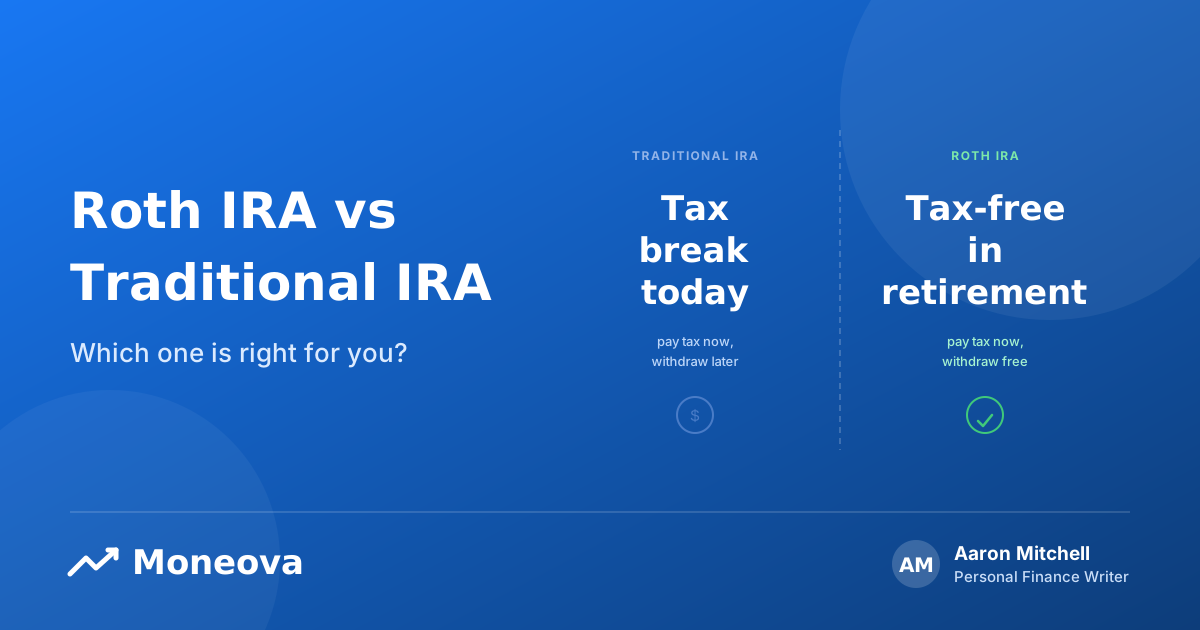
Roth IRA vs Traditional IRA: Which One Is Right for You?
Roth IRA gives you tax-free retirement income; traditional IRA cuts your tax bill today. The 2026 limits, the income phase-out formula, and when to use both.
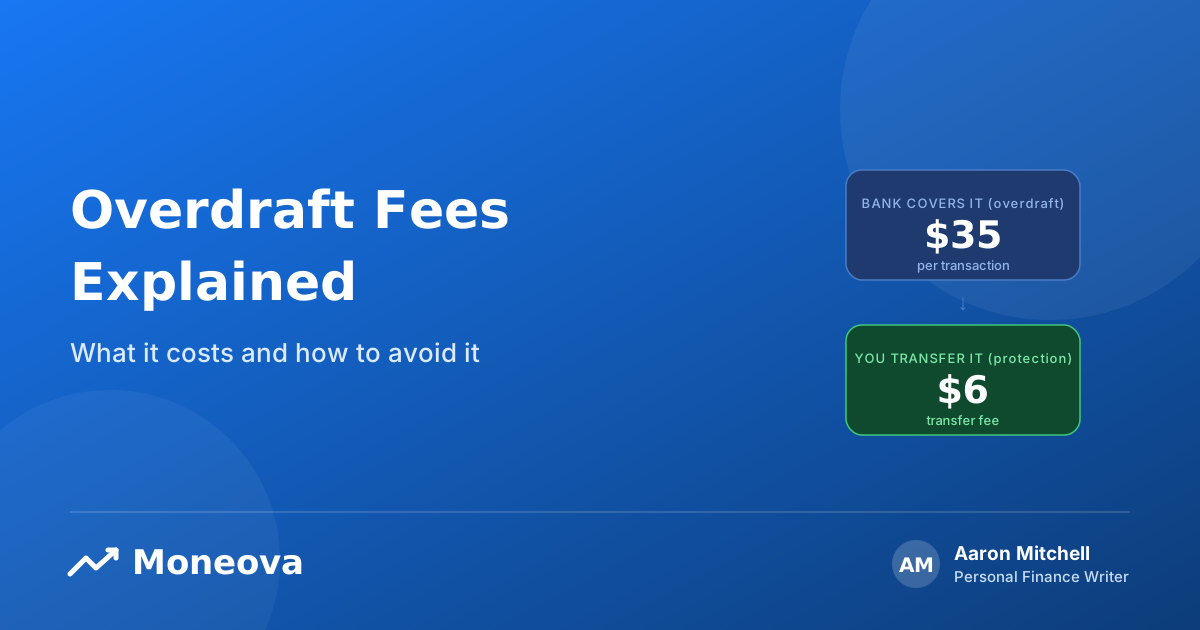
Overdraft Fees Explained: What They Cost and How to Avoid Them
Most people who pay overdraft fees opted in without knowing it. How the $35 fee works, the opt-out that takes one phone call, and what to do instead.
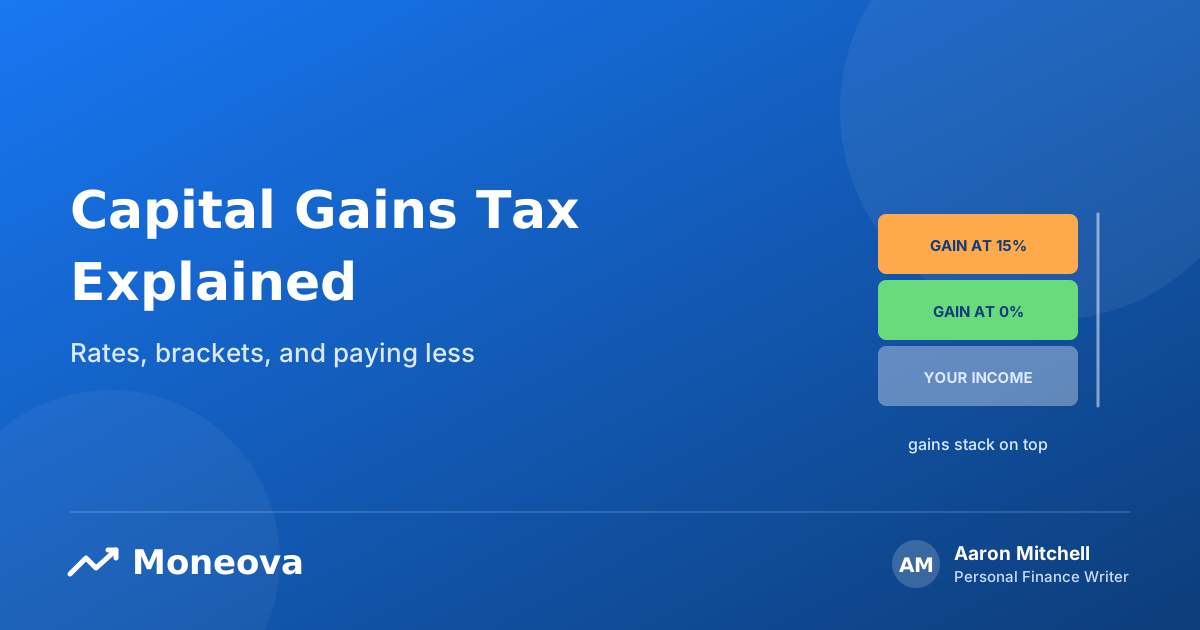
Capital Gains Tax Explained: Rates, Brackets, and How to Pay Less
Long-term gains are taxed at 0, 15 or 20 percent in 2026, but they stack on your income. The brackets, the one-year rule, and how much room you really have.
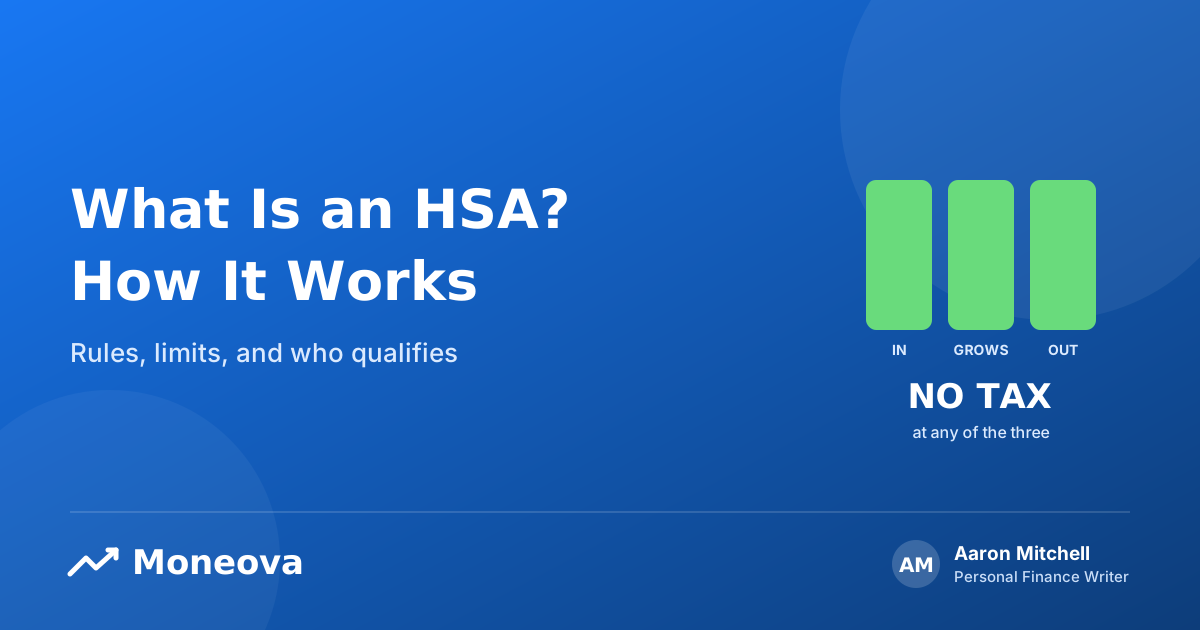
What Is an HSA? How Health Savings Accounts Work and Who Qualifies
An HSA is the only account taxed at none of the three stages. The 2026 limits, the two-part eligibility test most guides get wrong, and when it is worth it.

Credit Freeze Explained: How to Freeze, Unfreeze, and When to Use It
A credit freeze is free and blocks new accounts in your name. How to freeze all three bureaus, how to unfreeze in an hour, and what it does not stop.
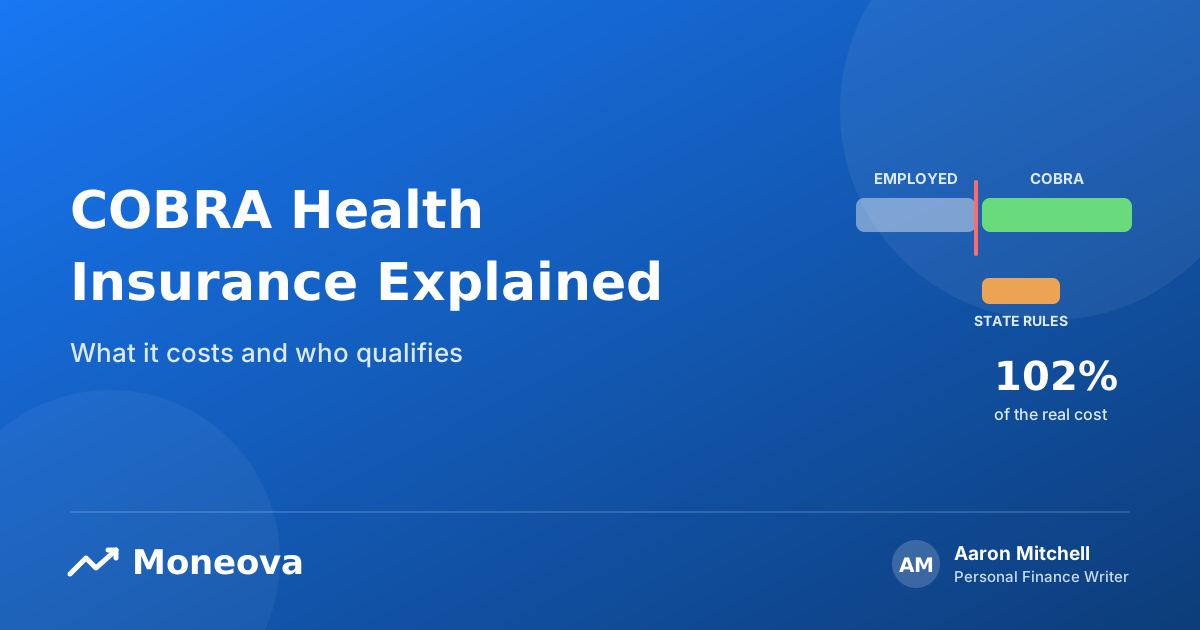
COBRA Health Insurance: What It Costs and Who Actually Qualifies
COBRA health insurance keeps your job plan at up to 102 percent of its real cost. What it covers, how long it lasts, and what if your employer was small.
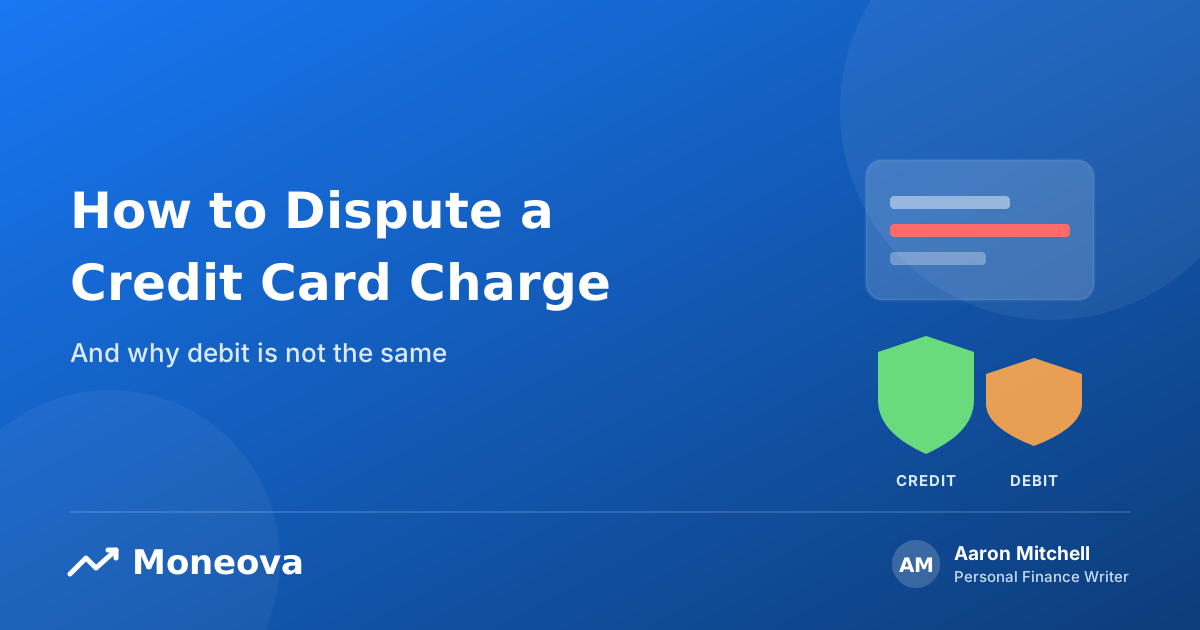
How to Dispute a Credit Card Charge, and Why Debit Is Different
You have 60 days to dispute a credit card charge, and your loss is capped at $50. On a debit card the cap can vanish entirely. Here is how both work.

Does Closing a Credit Card Hurt Your Credit? A Detailed Guide
Closing a card raises your credit utilization next month. It does not touch your credit history for up to ten years. Here is what really happens, and when.

How Many Credit Cards Should You Have? A Detailed Guide
Most sites say two or three. The average American actively uses 3.7 credit cards, and the highest-scoring generations hold 4.4. Here is what the count does.

Uninsured Motorist Coverage Explained: State Rules and What It Covers
Twenty states and DC require uninsured motorist coverage, and the states with the most uninsured drivers mostly do not. All 51 rows, plus how much to buy.

What Is a Certificate of Deposit and How Does It Work?
How certificates of deposit work, what they pay, and what leaving early really costs: a bank-by-bank penalty comparison, in dollars, that nobody else publishes.
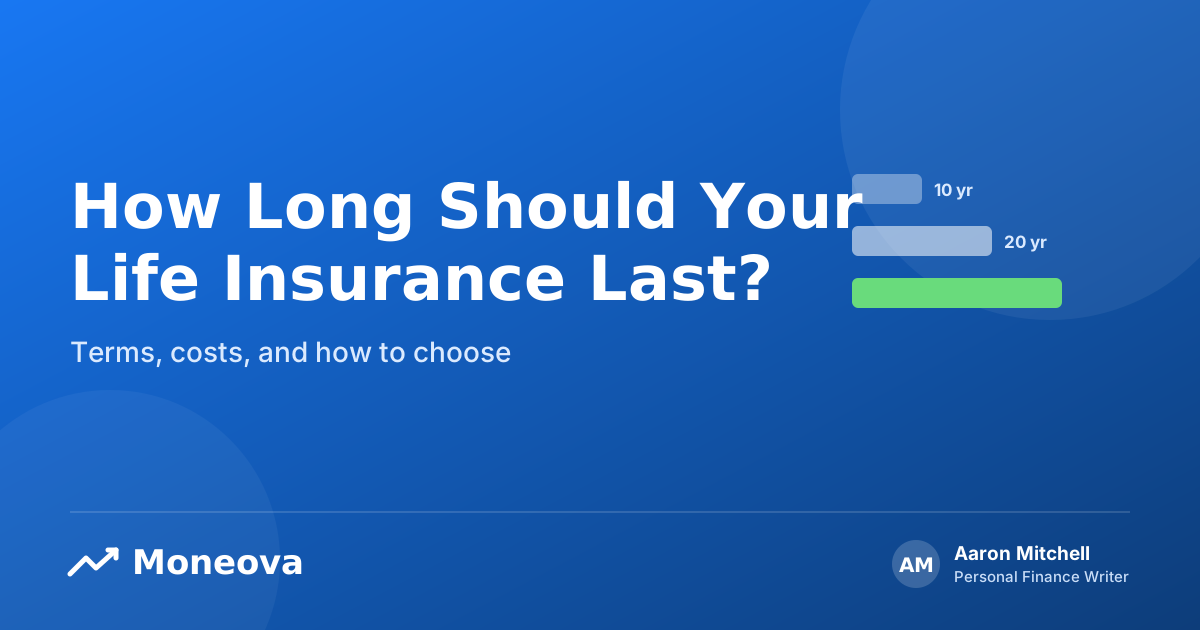
How Long Should Term Life Insurance Last? A Complete Guide
How to choose your term life insurance length: match the term to your longest obligation, what 10, 20 and 30 year policies cost, and a term length calculator.

Level Term Life Insurance: A Beginner's Guide
Level term life insurance explained: how the premium stays fixed, how it compares to decreasing and yearly renewable term, what it costs, and a cost calculator.

Renewable Term Life Insurance: A Beginner's Guide
Renewable term life insurance explained: how guaranteed renewal works, why premiums rise, what happens when your term ends, and a renewal cost calculator.

Can You Get Term Life Insurance After 50? A Beginner's Guide
Term life insurance for seniors: age limits, realistic costs after 50, 60 and 70, whether you need it, and a calculator to check any quote you are given.

New vs Used Car Loans: Which Should You Finance?
New vs used car loans compared: how the rates differ, what each really costs after depreciation, and a calculator to see which is cheaper for you.

How Auto Loans Work: A Beginner's Guide
How do auto loans work? A plain-English guide to auto loan interest, APR, terms, and rates, with a payment calculator and a real example.

Full Coverage vs Liability Car Insurance: Which Do You Need?
Full coverage vs liability car insurance: what each covers, how much more full coverage costs, and a simple way to decide which one you actually need.

What Does Car Insurance Cover? A Beginner's Guide
What does car insurance actually cover? A plain-English guide to liability, collision, comprehensive, and gap coverage, with a calculator and a real example.

Dollar-Cost Averaging: How It Works (With Examples)
Dollar-cost averaging means investing a fixed amount on a regular schedule, no matter the price. Here is how it works, with examples and a calculator.
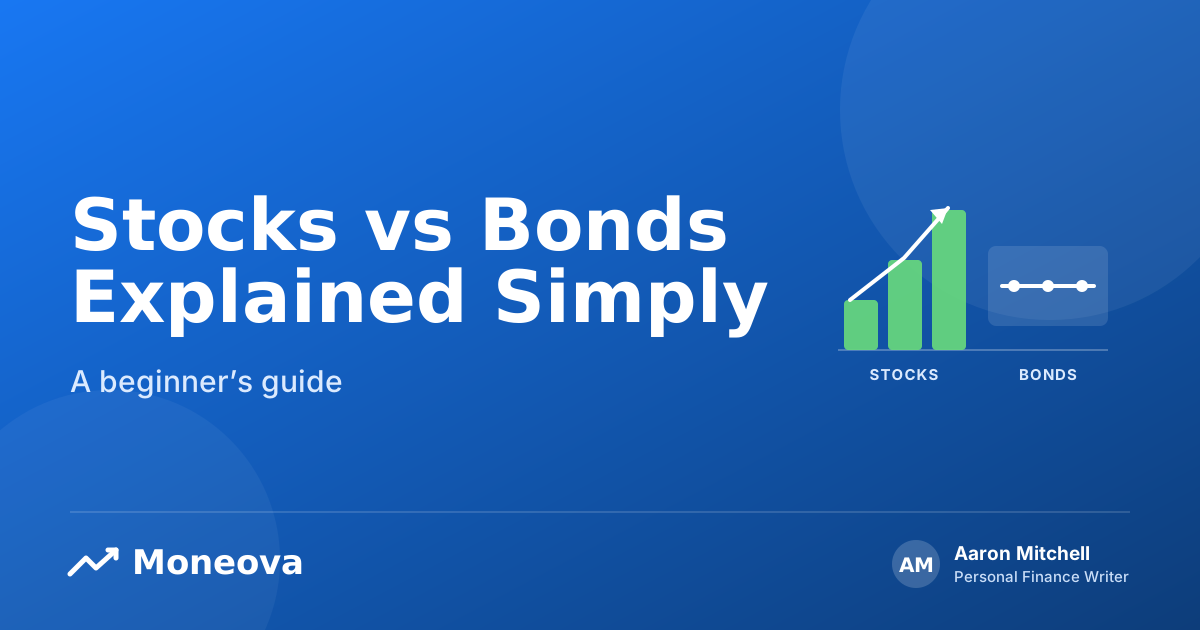
Stocks vs Bonds: The Difference Explained Simply
Stocks make you an owner, bonds make you a lender. Here is the real difference between stocks and bonds, with a side-by-side comparison and a mix calculator by age.
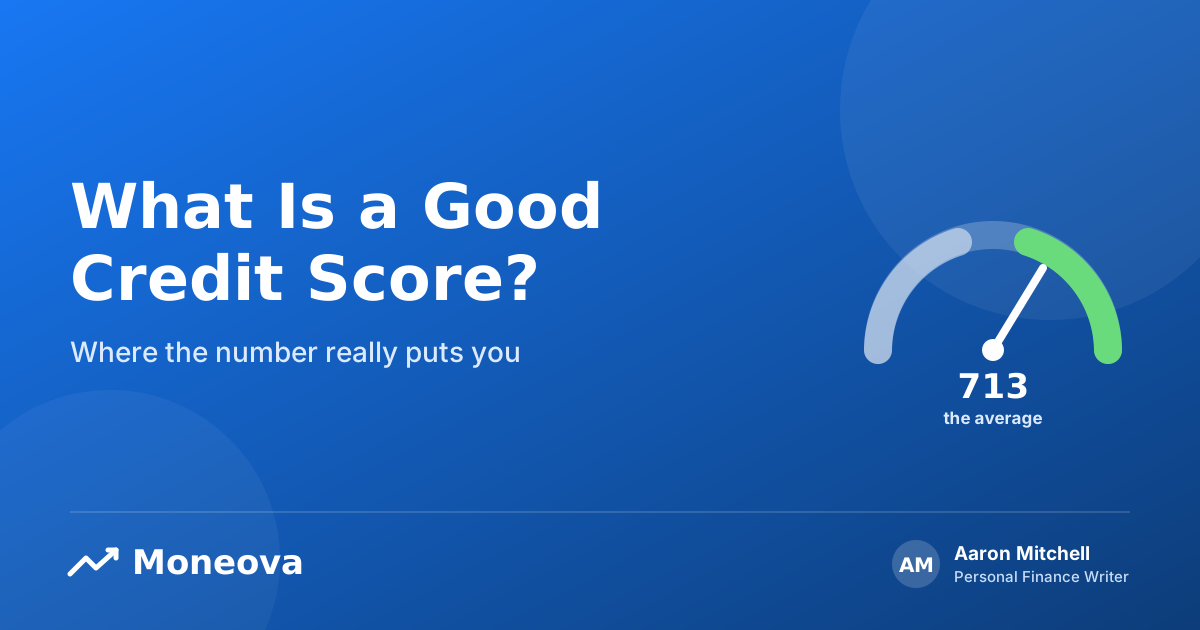
What Is a Good Credit Score?
A good credit score is 670 to 739. But only 21% of Americans are in that band and 50% score above it, and stopping there can cost $37,096 on a single mortgage.

The 3 Credit Bureaus: Why Your Reports Don't Match
Experian, TransUnion and Equifax are competitors, not copies. Reporting to them is voluntary, which is why your three credit reports and scores disagree.

Checking vs Savings Account: What's the Difference?
Checking is for spending, savings is for growing your money. Here is how the two accounts differ on interest, fees, and access, with a real example of the same money in each.

FDIC vs NCUA Insurance: What's the Difference?
FDIC insures banks, NCUA insures credit unions, and both protect $250,000 per depositor. Here is what each covers, what they do not, and how to keep more than $250,000 fully insured.

FHA vs Conventional Loan: How to Choose
FHA loans are easier to qualify for, but mortgage insurance can last the life of the loan. Here is how FHA and conventional loans compare on credit, down payment, and long-run cost.

Fixed-Rate vs Adjustable-Rate Mortgage: How to Choose
A 5/1 ARM starts cheaper, but the payment can jump when the rate resets. Here is how fixed and adjustable mortgages compare, with real numbers and when each one wins.

How Whole Life Insurance Works
Whole life covers you for life and builds cash value, but costs about 12 times more than term. Here is how the cash value really grows, and when whole life is worth it.

How Disability Insurance Works
More than 1 in 4 workers will be disabled before retirement. Here is how disability insurance replaces your income, what it costs, and how much coverage you need.

How to Invest in Index Funds
A 0.75% fund can cost $13,844 more than a 0.03% fund over 30 years. Here is how index funds work, what fees really cost, and how to buy your first one.

ETF vs Mutual Fund: How to Choose
In 2025, 7% of ETFs distributed a capital gain versus 52% of mutual funds. Here is how ETFs and mutual funds really differ, and which one fits your account.

How Often Does Your Credit Score Update?
Your credit score updates about every 30 to 45 days, not daily. Here is the reporting chain that causes the delay, and how fast each part can move.
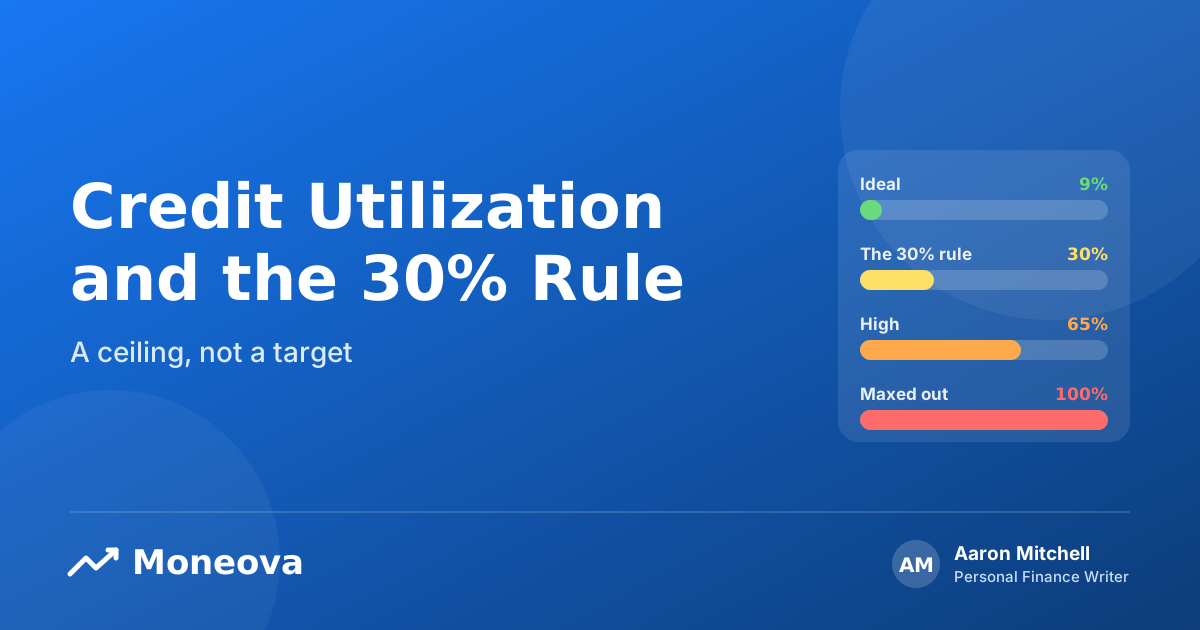
Credit Utilization: The Truth About the 30% Rule
30% is a ceiling, not a target. People with the best scores sit near 8%. Here is how utilization is calculated and how to lower yours before it reports.

High-Yield Savings Account: How It Works
A 4.50% APY account pays about $450 a year on $10,000. A 0.40% account pays $40. Here is what APY means, whether it is safe, and how the money grows.

How to Open a Bank Account: Step-by-Step
Most people finish the application in under fifteen minutes, then wait one to two business days for approval. Here is what you need before you start.

Debt Consolidation: How It Works
Rahul owed $15,000 at 22%. Consolidating at 12% saved him $3,724 over four years. Here is how consolidation works, and when it makes things worse.

ITIN Mortgage Loans: Buy a Home Without an SSN
You can buy a US home with an ITIN and no Social Security number. Most lenders cap debt-to-income near 45%. Here are the real requirements and rates.

Term Life Insurance: A Beginner's Guide
Term life covers you for a set period, usually 10, 20, or 30 years, then ends. Here is what it costs by age, how much you need, and when it is worth it.

Do I Need Life Insurance? How to Decide
Premiums climb roughly 5 to 8% for every year you wait. Here are the clear signs you need coverage, when you genuinely do not, and how much to buy.

What Is a W-8BEN Form? A Guide for Investors
Without a W-8BEN, the US withholds 30% of your dividends. A tax treaty can cut that to 15% or less. Here is who files it and how to fill it out.

Investing Basics: How Investing Actually Works
$200 a month for 30 years at a 10% average return could reach around $400,000. Here is how that growth works, and how to start with your first account.

How to Build Credit From Scratch
With no credit history, a secured card and a credit builder loan are the two doors open to you. Here is how each works, and the habits that move a score.